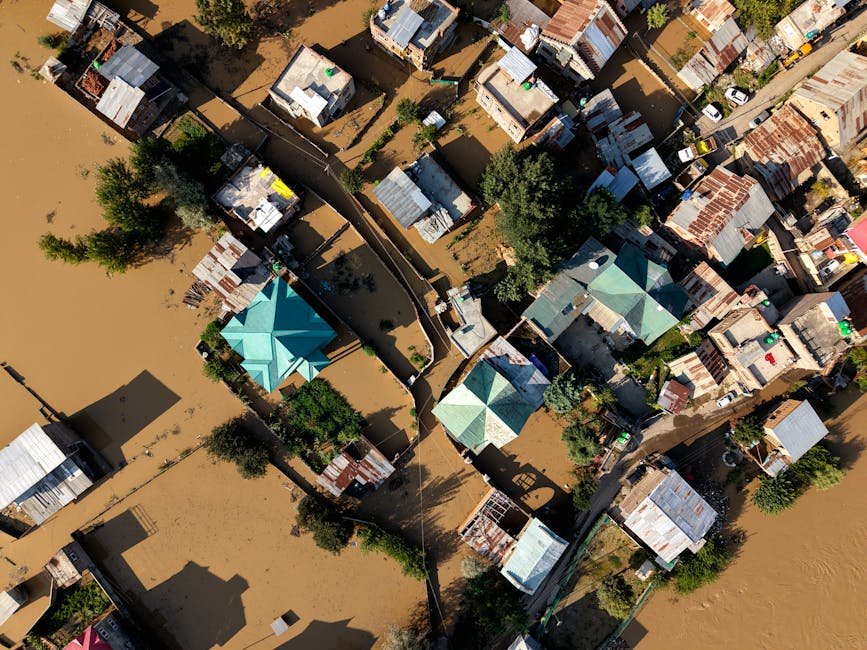
Weather and natural disasters are often perceived primarily through the lens of immediate physical safety. However, the implications extend far beyond the obvious threats to life and property. Researchers have uncovered numerous health risks linked to weather patterns and natural calamities, many of which remain hidden from public awareness. Understanding these risks can prepare individuals and communities to better respond to and recover from such events. From respiratory illnesses triggered by air quality degradation during wildfires to mental health issues arising from prolonged stress during hurricanes, the nuances of these connections are profound. This article delves into five surprising insights regarding the interplay between weather, natural disasters, and health, shedding light on the often-overlooked risks that accompany such events. By exploring these insights, we can better appreciate the importance of preparedness, community resilience, and individual health considerations in the face of nature’s fury.
1. Air Quality Deterioration During Wildfires
Wildfires are a common occurrence in many regions, particularly during dry seasons, and their impact on air quality can be devastating. Smoke from wildfires contains a mix of harmful pollutants, including particulate matter and volatile organic compounds, which can significantly degrade air quality over large areas. As smoke drifts, it can expose individuals, even those far from the fire’s epicenter, to respiratory risks. Studies have shown that exposure to wildfire smoke can exacerbate asthma, lead to chronic obstructive pulmonary disease (COPD), and even increase the risk of heart attacks. Vulnerable populations, such as children and the elderly, face heightened risks. Moreover, long-term exposure to poor air quality can lead to chronic health issues, making it essential for communities to monitor air quality and implement protective measures during wildfire seasons.
2. The Psychological Toll of Weather-Related Disasters
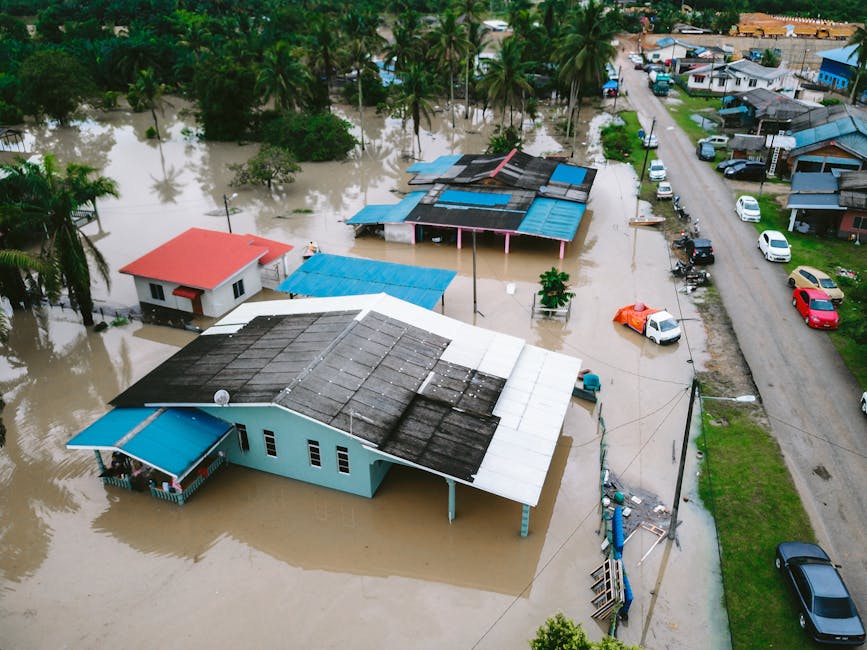
Natural disasters such as hurricanes, floods, and earthquakes inflict not only physical damage but also significant psychological distress on affected populations. The trauma experienced during such events can lead to long-lasting mental health problems, including post-traumatic stress disorder (PTSD), anxiety, and depression. Research indicates that individuals directly affected by disasters often report higher rates of mental health issues in the aftermath. Furthermore, the stress of rebuilding lives and homes and the uncertainty about the future can exacerbate these psychological challenges. Communities can mitigate these effects by providing mental health support, fostering social connections, and promoting resilience through community programs that address the emotional needs of disaster survivors. Understanding and addressing the psychological toll of disasters is essential for comprehensive disaster response and recovery.

3. Vector-Borne Diseases and Climate Change
Climate change has far-reaching implications for the spread of vector-borne diseases, which are transmitted by insects such as mosquitoes and ticks. As temperatures rise and weather patterns shift, the habitats and breeding cycles of these vectors are altered, potentially increasing the incidence of diseases like malaria, dengue fever, and Lyme disease. For instance, warmer temperatures can extend the breeding season for mosquitoes, leading to more cases of diseases like West Nile virus and Zika virus. Additionally, heavy rainfall and flooding can create breeding grounds for these insects. Public health officials must be vigilant as climate change progresses, employing proactive measures such as vector control programs and public education campaigns to prevent outbreaks. Understanding the link between climate change and vector-borne diseases is crucial for safeguarding community health in an evolving climate landscape.
4. Extreme Weather Events and Infrastructure Vulnerability
Extreme weather events, including hurricanes, tornadoes, and heavy storms, pose significant risks not only to human safety but also to critical infrastructure. Damage to power lines, water supply systems, and healthcare facilities can have dire consequences for public health. For instance, after Hurricane Katrina, many residents lacked access to clean water and reliable medical services, leading to a spike in waterborne illnesses and untreated health conditions. The degradation of infrastructure can impede emergency response efforts, making it essential for communities to invest in resilient infrastructure capable of withstanding extreme weather. This includes upgrading roads, bridges, and hospitals to ensure they remain operational during and after disasters. Building infrastructure resilience can significantly mitigate health risks associated with extreme weather events, ultimately saving lives.
5. The Role of Temperature Extremes in Health Outcomes
Temperature extremes, whether heatwaves or severe cold, can have profound effects on public health. Heatwaves can lead to heat exhaustion, heatstroke, and exacerbate pre-existing health conditions, particularly among older adults and those with chronic illnesses. In contrast, extreme cold can result in hypothermia and frostbite, as well as increase the risk of heart attacks due to cold-induced stress on the cardiovascular system. The elderly, young children, and individuals with disabilities are particularly vulnerable to these temperature extremes. Public health campaigns emphasizing the importance of hydration during heatwaves and appropriate clothing during cold spells can play a vital role in preventing heat-related illnesses and cold-related injuries. Understanding the health implications of temperature extremes is crucial for developing effective public health strategies.
6. Food Security and Natural Disasters
Natural disasters can severely disrupt food supply chains, leading to immediate food shortages and long-term food insecurity. Hurricanes, floods, and droughts can destroy crops, damage transportation infrastructure, and disrupt distribution networks, making it challenging for communities to access nutritious food. The impact of such disruptions can be particularly pronounced in vulnerable populations, including low-income families and those relying on local agriculture. Moreover, food insecurity can lead to malnutrition and associated health issues, compounding the effects of the disaster. Community resilience efforts, such as local food banks and emergency food distribution systems, can help alleviate the impact of food shortages during and after disasters. Understanding the intersection of natural disasters and food security is essential for comprehensive disaster preparedness and response strategies.
7. Mental Health Challenges Post-Disaster Recovery
The road to recovery following a natural disaster is often long and fraught with challenges, particularly regarding mental health. Survivors may experience ongoing stress, anxiety, and feelings of helplessness as they navigate the complexities of rebuilding their lives. The disruption of community networks and support systems can exacerbate these mental health challenges. It is crucial for communities to implement mental health resources during the recovery phase, including counseling services and support groups, to help individuals process their experiences and emotions. Additionally, fostering community cohesion can enhance resilience and provide a support network for those affected. Recognizing and addressing mental health challenges in the aftermath of disasters is vital for promoting healing and recovery.
Conclusion
Weather and natural disasters present a myriad of hidden health risks that extend far beyond immediate physical dangers. From the impact of air quality on respiratory health to the psychological toll of displacement, understanding these complexities is crucial for effective disaster preparedness and response. As climate change continues to alter weather patterns and increase the frequency of extreme events, communities must prioritize health considerations in their disaster planning efforts. By investing in mental health resources, resilient infrastructure, and food security measures, we can mitigate the long-term health effects of these events and promote community resilience. Awareness and proactive measures can pave the way for healthier and more resilient communities in the face of nature’s unpredictability.