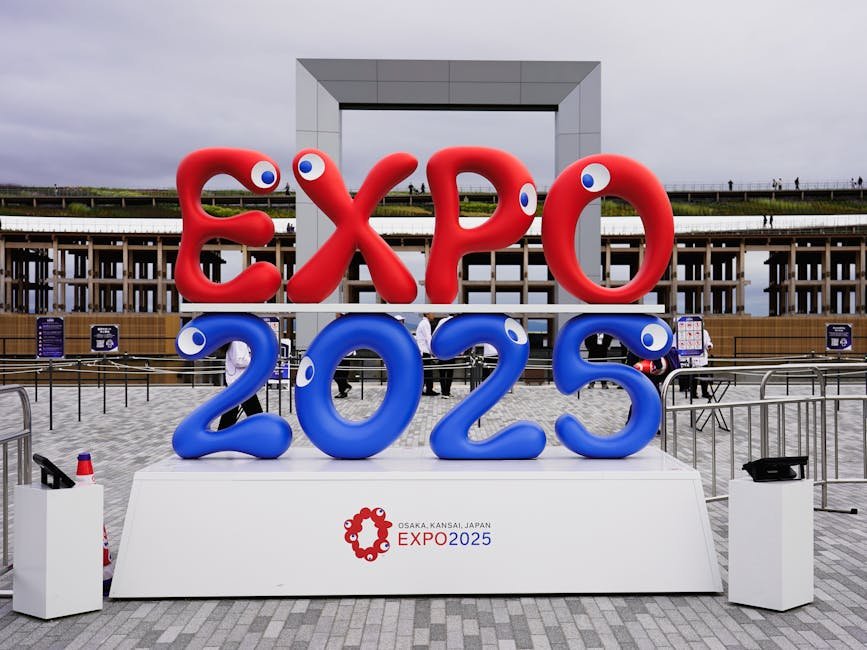
The entertainment industry is a constantly evolving landscape, shaping culture, influencing societal norms, and reflecting the zeitgeist of the times. As we step into 2025, the convergence of technology and creativity is driving new trends in entertainment news that are capturing global attention. From the rise of immersive experiences in virtual reality to the increasing importance of diversity and inclusion in storytelling, these trends are not only reshaping how we consume media but also how stories are told across various platforms. In this article, we will explore the top entertainment news trends of 2025, examining the stories that are dominating headlines and capturing the imagination of audiences worldwide. By delving into the world of streaming wars, AI-generated content, and the resurgence of live events, we aim to provide a comprehensive overview of the current entertainment landscape and its future trajectory.
The Rise of Streaming Wars 2.0
As we enter 2025, the competition among streaming services continues to intensify, often referred to as Streaming Wars 2.0. With major players like Netflix, Disney+, Amazon Prime, and newer entrants such as HBO Max and Apple TV+, the battle for viewer attention is fiercer than ever. Each platform is investing heavily in original content, with billions of dollars allocated to create exclusive series and films that cater to diverse audiences. For example, Netflix has ramped up its global productions, launching localized content in various languages to capture international markets. This trend not only diversifies the viewing options but also fosters a sense of cultural representation that resonates with global audiences. Additionally, the push for subscription bundles and ad-supported tiers indicates a shift in how consumers are willing to pay for content, further complicating the streaming landscape.
Immersive Entertainment: The VR and AR Revolution
Virtual reality (VR) and augmented reality (AR) are not just gimmicks anymore; they are becoming integral components of the entertainment industry in 2025. With advancements in technology, immersive experiences are now more accessible to the average consumer. Major entertainment franchises, such as Marvel and Star Wars, are exploring VR experiences that allow fans to step into their favorite narratives, creating a new form of engagement. For instance, a VR experience based on the Marvel Cinematic Universe lets users interact with characters and explore iconic locations. Similarly, AR applications are being used in live concerts, where fans can enjoy unique visual effects on their smartphones. This trend towards immersive entertainment not only enhances the storytelling experience but also creates new revenue streams for creators and platforms alike.

Diversity and Inclusion in Storytelling
As societal conversations around representation and inclusivity continue to evolve, the entertainment industry is taking note. In 2025, a significant trend is the commitment to diverse storytelling that reflects the real world. Streaming platforms and film studios are increasingly prioritizing stories from underrepresented voices, with initiatives aimed at hiring diverse talent both in front of and behind the camera. For example, films and series that highlight LGBTQ+ narratives or feature casts of color are gaining traction and critical acclaim. The success of projects like “Everything Everywhere All At Once” showcases the appetite for unique stories that challenge conventional narratives. Moreover, audiences are becoming more vocal about their expectations for representation, pushing creators to embrace diversity as an essential aspect of their storytelling. This trend not only enriches the viewing experience but also promotes a more equitable industry.
The Emergence of AI-Generated Content
Artificial intelligence is transforming the landscape of content creation in 2025, leading to a rise in AI-generated scripts, music, and even performances. The integration of AI tools into the creative process allows filmmakers and musicians to explore new ideas and streamline production. For instance, AI algorithms can analyze audience preferences to suggest plot twists or song arrangements that are likely to resonate with viewers. Companies like OpenAI are already experimenting with AI-generated screenplays that are entering pitch meetings, sparking debates about originality and creativity in storytelling. While some artists embrace this technology as a collaborative tool, others express concern over the potential loss of human touch in art. As this trend continues to evolve, it raises important questions about authorship, creativity, and the future of entertainment.

The Return of Live Events: Concerts and Festivals
After a prolonged hiatus during the pandemic, live events are making a strong comeback in 2025, with concerts, film festivals, and theatrical performances drawing large crowds. The desire for in-person experiences has fueled a resurgence in ticket sales, with artists and performers eager to connect with their audiences once again. Major music festivals like Coachella and Glastonbury are not only returning but are also expanding their lineups to include a diverse array of genres and artists. Additionally, film festivals such as Cannes and Sundance are embracing hybrid formats, allowing for both in-person and digital attendance. This trend highlights a renewed appreciation for the communal experience of entertainment, as fans gather to celebrate their shared love for music and film. The return of live events also presents opportunities for local economies and artists, revitalizing the cultural landscape post-pandemic.
Gaming as a Cultural Phenomenon
In 2025, the gaming industry is no longer just a niche market; it has become a cultural phenomenon that demands attention in entertainment news. With the rise of esports and online streaming platforms like Twitch, gaming has transcended traditional boundaries, attracting millions of viewers and players worldwide. Major gaming events, such as The International and E3, are now comparable to major film and music festivals, with massive viewership and sponsorship deals. Popular games like “Fortnite” and “League of Legends” are not only entertainment products but also platforms for social interaction and community building. Furthermore, the integration of storytelling in gaming has led to critically acclaimed titles that rival traditional films in their narrative depth. As gaming continues to shape popular culture, it is essential for media outlets to cover this dynamic sector comprehensively.
The Influence of Social Media on Entertainment
Social media has become an indispensable part of the entertainment landscape in 2025, shaping how content is marketed and consumed. Platforms like TikTok, Instagram, and Twitter are not just social networks; they are vital tools for artists and creators to engage with their audience directly. Viral trends can propel a song to the top of the charts overnight or bring renewed interest to a film or series. For example, a dance challenge on TikTok can result in a massive uptick in streaming numbers for a music track. Additionally, social media allows for real-time audience feedback, giving creators immediate insights into what resonates with viewers. Influencer marketing has also become a significant aspect of promotional strategies, blurring the lines between traditional advertising and organic content. As social media continues to evolve, its impact on the entertainment industry will only grow stronger.
Conclusion
The entertainment landscape in 2025 is marked by innovation, inclusivity, and a dynamic interplay between technology and creativity. From the fierce competition of streaming services to the immersive experiences offered by VR and AR, the industry is undergoing significant transformations that reflect changing audience preferences. The emphasis on diversity and the emergence of AI-generated content signal a shift towards a more inclusive and technologically advanced storytelling approach. As live events regain their prominence and gaming solidifies its cultural relevance, the entertainment news trends of 2025 are shaping not just what we watch and play but also how we connect with one another. As we look ahead, it will be fascinating to see how these trends continue to evolve and influence the future of entertainment.