
In today’s fast-paced world, staying informed about financial, market, and employment news is essential for anyone looking to navigate the complexities of the economy. Whether you are an investor, job seeker, or simply a curious individual, having access to accurate and timely information can help you make informed decisions. This comprehensive guide serves as your ultimate checklist, ensuring you have all the necessary resources at your fingertips. With the right knowledge, you can better understand market trends, assess employment opportunities, and manage your finances effectively. From identifying reliable news sources to understanding key financial indicators, this article will provide actionable insights. By the end, you’ll be equipped with the tools and knowledge necessary to stay ahead in an ever-changing landscape. Let’s dive into the essential components of financial, market, and employment news!
1. Understanding Financial News Sources
Financial news sources are critical for anyone looking to keep abreast of the latest economic developments. They encompass a range of mediums, including traditional newspapers, television channels, and digital platforms. Major publications like The Wall Street Journal, Bloomberg, and Financial Times provide in-depth analysis and reports on financial matters. Additionally, many online platforms like CNBC, Yahoo Finance, and Reuters offer real-time updates and insights. It’s important to diversify your sources to get a well-rounded view of the market. Pay attention to both mainstream media and niche outlets that specialize in specific sectors, such as technology or real estate. By doing this, you can gain different perspectives and avoid potential biases that may arise from relying on a single source.
2. Key Financial Indicators to Monitor
Financial indicators are vital for assessing the health of the economy and making informed investment decisions. Key indicators include Gross Domestic Product (GDP), unemployment rates, inflation rates, and consumer confidence indexes. GDP measures the total economic output and is a strong indicator of economic performance. Unemployment rates signal the job market’s strength, while inflation rates indicate the cost of living changes. Consumer confidence indexes reflect how optimistic individuals feel about the economy, influencing spending habits. Monitoring these indicators can provide valuable insights into when to invest or when to hold back. For instance, a rising unemployment rate might indicate a potential economic downturn, prompting investors to adopt a more cautious approach.
3. Navigating Market Trends and Analysis
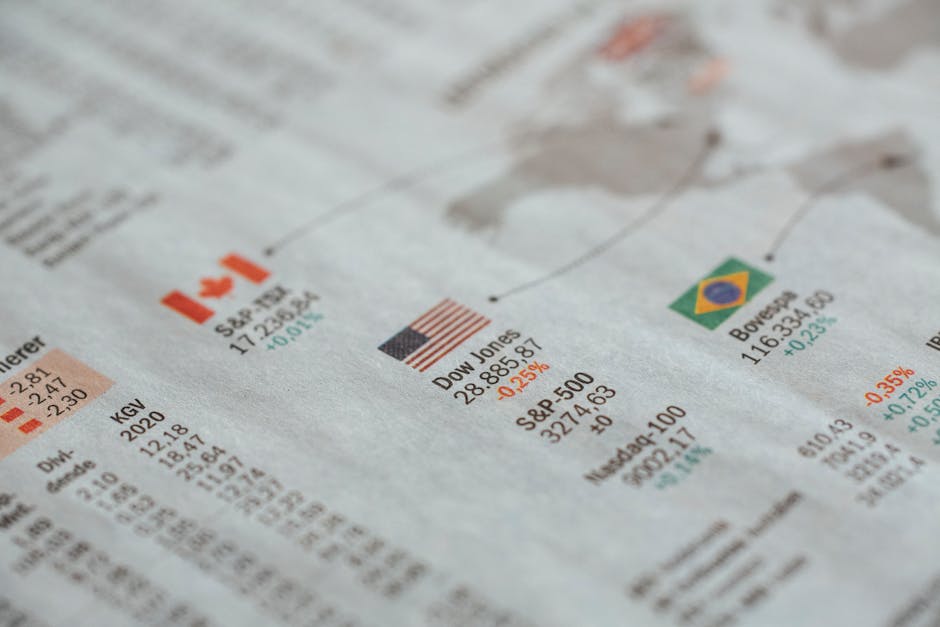
Understanding market trends is crucial for anyone involved in investing or business. Market trends can be categorized into three types: upward (bull), downward (bear), and sideways. An upward trend indicates rising prices, often leading to bullish market sentiment, while a downward trend suggests falling prices and bearish sentiment. Identifying these trends involves analyzing historical data, price charts, and technical indicators. Tools like moving averages and Relative Strength Index (RSI) can help in this analysis. Additionally, following expert market analysts and reports can provide deeper insights into potential future movements. Being aware of market trends enables you to make strategic investment decisions, maximizing your returns while mitigating risks.
4. The Importance of Employment News
Employment news plays a critical role in shaping economic policies and guiding job seekers. Regular updates on job growth, layoffs, and wage trends provide insights into the overall health of the job market. The Bureau of Labor Statistics (BLS) releases monthly reports detailing changes in employment numbers, which can significantly influence financial markets. For job seekers, understanding industry-specific employment news can help identify lucrative opportunities. For example, sectors showing consistent job growth, such as technology or healthcare, may present better job prospects. Furthermore, staying updated on labor laws and regulations can inform you about your rights as an employee and help you navigate your career path effectively.

5. Analyzing Economic Policies and Their Impact
Economic policies enacted by governments significantly influence financial markets and employment rates. Policies such as interest rate changes, tax reforms, and government spending initiatives can alter consumer behavior and business investment strategies. For instance, when central banks lower interest rates, borrowing becomes cheaper, which can stimulate spending and investment. Conversely, increasing rates may cool down an overheating economy but could lead to higher unemployment. Keeping an eye on policy announcements and understanding their implications can provide valuable insights for both investors and job seekers. Economic policies often have a ripple effect, and being informed can help you anticipate market changes and make proactive decisions.
6. Utilizing Technology for News Updates
In the digital age, technology has transformed how we consume news. Mobile applications and news aggregators like Feedly or Flipboard allow you to customize your news feed according to your interests, ensuring you receive the latest updates in real-time. Social media platforms also play a crucial role; following financial experts on Twitter or LinkedIn can offer immediate insights and analysis. Furthermore, podcasts and webinars provide in-depth discussions on current events, enriching your understanding of complex topics. Utilizing these technological tools enables you to stay current with minimal effort, making it easier to engage with financial, market, and employment news effectively.
7. Building a Personal Action Plan
To effectively utilize financial, market, and employment news, it’s essential to develop a personal action plan tailored to your goals. Begin by defining what you aim to achieve—whether it’s growing your investment portfolio, finding a new job, or simply staying informed. Next, set a schedule for consuming news; allocate specific times each day or week to read articles, watch reports, or listen to podcasts. Additionally, keep a journal to track insights, reflections, and action items based on what you learn. This practice will help reinforce your understanding and allow you to apply your knowledge effectively. Finally, don’t hesitate to adjust your plan as your goals evolve or as market conditions change.
Conclusion
Staying informed about financial, market, and employment news is essential in today’s complex economic landscape. By understanding reliable news sources, monitoring key indicators, and analyzing trends, you can enhance your decision-making skills. Moreover, utilizing technology for updates and building a personal action plan can streamline your efforts. Remember, knowledge is power, and being proactive in gathering and interpreting news can lead to better financial outcomes and career opportunities. Equip yourself with these tools and insights, and you’ll be well on your way to navigating the world of finance, markets, and employment successfully.